If you’ve driven through Boston for even a week, you know that potholes are practically part of the city’s landscape. Between freezing winters, rapid thaws, and constant roadwork, Boston’s streets can feel like an obstacle course. But what you might not realize is just how much damage these potholes can do to your car — and how expensive ignoring them can be.
Let’s take a closer look at why Boston’s potholes are so destructive, what signs to look for after hitting one, and how to protect your vehicle before the next bump in the road.
🕳️ Why Boston Has So Many Potholes
Boston’s harsh winters are the main culprit. When water seeps into small cracks in the pavement, it freezes and expands, creating pressure that breaks apart asphalt. Once spring arrives, that ice melts, leaving gaps that collapse under traffic weight — then it happens, a pothole is born.
Add in the heavy traffic from daily commuters, delivery trucks, and unpredictable weather patterns, and it’s no wonder Boston’s Department of Public Works has its hands full every year trying to patch them up.
💥 How Potholes Damage Your Car
Hitting a pothole at high speed can do more than just make your teeth rattle. Here are the most common ways those craters on Commonwealth Avenue or Storrow Drive can harm your vehicle:
- Tire and Wheel Damage: Potholes can puncture tires, bend rims, or cause uneven wear that shortens tire life.
- Suspension and Alignment Issues: Sudden impact can knock your suspension out of alignment, leading to vibrations, uneven steering, or pulling to one side.
- Exhaust System Damage: Deep potholes can scrape or dent your exhaust system, causing leaks or louder noises.
- Steering Problems: After a hard hit, your steering may feel loose or unresponsive — a clear sign that something underneath needs attention.
Even if your car seems fine after hitting a pothole, small hidden issues can worsen over time. That’s why Boston mechanics often recommend getting your vehicle checked as soon as possible after a big bump.
🧰 What to Do If You Hit a Pothole in Boston
- Pull Over Safely and Inspect: Check for visible damage to your tires and wheels. If your steering feels off or you hear strange noises, avoid highway speeds.
- Document the Damage: If the pothole was severe, take a photo and note the location. In Boston, you can even report potholes or file a damage claim through the city’s official website.
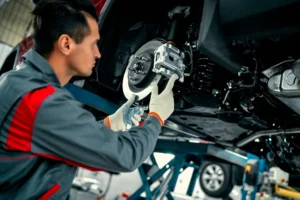
- Visit a Trusted Boston Auto Service Center: A professional mechanic can inspect your alignment, suspension, and tires to ensure no hidden damage. It’s a quick visit that can save you from future repair bills.
🛠️ How to Prevent Pothole Damage in the Future
While you can’t avoid every pothole, these small steps can reduce your risk of major car issues:
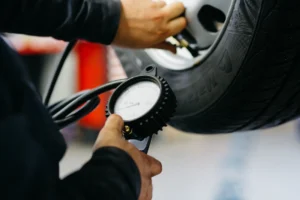
- Maintain Proper Tire Pressure: Underinflated or overinflated tires are more likely to get damaged on impact.
- Drive Cautiously in Wet Weather: Rain often hides potholes, making them harder to spot.
- Avoid Sudden Braking: Slamming the brakes before a pothole shifts weight forward, increasing suspension damage.
- Regularly Inspect Suspension and Alignment: Especially after winter — Boston’s frost heaves can do a number on your undercarriage.
If you notice your car pulling to one side, shaking, or making odd noises after hitting a pothole, don’t ignore it. A local Boston auto repair shop can quickly assess and correct alignment or suspension issues before they get worse.
🧭 Driving Smart in the City
Boston’s streets are full of character — and unfortunately, plenty of cracks. Whether you’re commuting through Dorchester, navigating downtown, or cruising along the Charles, potholes are part of the deal.
But staying alert, maintaining your vehicle regularly, and trusting a reliable Boston car service center can help you avoid costly surprises and keep your car running safely all year long.
❓ FAQ: Common Questions Boston Drivers Ask About Pothole Damage
1. What should I do immediately after hitting a pothole?
Check your tires, listen for new noises, and monitor steering response. If your car feels off, visit a Boston mechanic for an inspection.
2. How do I know if my alignment is off after hitting a pothole?
If your car drifts left or right, or if the steering wheel isn’t centered, it’s a sign your wheel alignment may be affected.
3. Can potholes cause tire blowouts?
Yes. Sharp edges can slice sidewalls or cause slow leaks, especially if your tires are worn or improperly inflated.
4. How often should I get my suspension checked in Boston?
We would recommend at least once a year, ideally after winter. Boston roads can wear out suspension components faster than usual.
5. Can I get reimbursed for pothole damage in Boston?
Yes, you can file a damage claim through the City of Boston’s official website if the incident occurred on a public road maintained by the city.