Whether you’re a new car owner or someone who’s been driving for years, having a basic understanding of car repairs and maintenance can save you time, money, and stress. While modern vehicles are increasingly complex, there are still a few essential car repair skills that every driver should know to stay safe on the road and avoid unnecessary trips to the mechanic, or maybe can even save you during unexpected events on the street.
Here are some basic car repairs and maintenance tasks you should learn — especially if you want to extend your car’s lifespan and handle small issues confidently.
1. Changing a Flat Tire
Flat tires are among the most common roadside problems. This can be considered as one of the most basic car maintenance. Knowing how to change a flat tire can save you from waiting hours for roadside assistance.
Here’s what to remember for tire replacement tips:
- Always park on a flat surface and apply the parking brake.
- Use the jack to lift your car safely.
- Replace the damaged tire with your spare, tightening the lug nuts in a crisscross pattern.
Keeping a tire repair kit and portable air compressor in your trunk can also come in handy during emergencies.
2. Checking and Changing Engine Oil
Regular oil changes are one of the easiest ways to keep your engine healthy. So the big question is when to change engine oil? You should check your oil level monthly and change it according to your car’s maintenance schedule (typically every 5,000–7,500 miles).
Steps to follow on how to check car oil :
- Make sure the engine is cool and the car is on level ground.
- Pull out the dipstick, wipe it clean, reinsert it, and check the level.
- If needed, add the manufacturer-recommended oil gradually.
Clean oil prevents friction and overheating — two leading causes of engine wear.
3. Replacing Wiper Blades
This is an often overlooked safe driving tip during your journey, but clear visibility is critical for driving safety. Worn-out wipers can make it hard to see during rain or snow.
Replacing your wiper blades usually takes less than five minutes and costs very little. Just check your owner’s manual for the correct size, unclip the old ones, and snap the new blades into place.
4. Jump-Starting a Dead Battery
A dead battery is another common issue that every car owner should know how to fix. This would most likely be an issue when you are looking for a car that won’t start tips. All you need is a pair of jumper cables and another working car.
Steps on how to jump-start a car safely:
- Connect the red (+) cable to the positive terminal of the dead battery.
- Connect the other end of the red cable to the positive terminal of the good battery.
- Attach the black (-) cable to the negative terminal of the good battery.
- Connect the other end of the black cable to a metal surface on your car (not the battery).
- Start the working car, wait a few minutes, then start yours.
5. Replacing Air Filters
Your engine air filter and cabin air filter keep your car running smoothly and your air clean. Replacing these filters every 12,000–15,000 miles can improve fuel efficiency and air quality.
Most filters are easy to replace — simply unclip the old filter, insert a new one, and close the housing.
6. Checking Tire Pressure
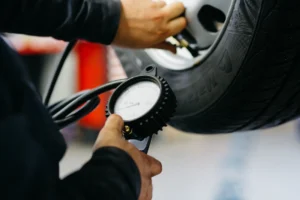
This tip is not only a safety tip but also a fuel efficiency tip. Driving with low tire pressure can cause poor fuel economy and uneven tire wear. If you don’t know how to check tire pressure, we recommend investing in a digital tire pressure gauge and checking your tire pressure at least once a month.
Keeping your tires inflated to the recommended PSI helps maintain control and prolong tire life.
Why Learning Basic Car Repair Skills Matter
Knowing these simple repairs can:
- Save money on unnecessary mechanic visits.
- Improve safety during breakdowns or bad weather.
- Increase car longevity through consistent maintenance.
- Build confidence in understanding how your vehicle works.
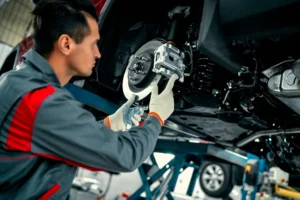
Even if you rely on professionals for major services like brake repairs, engine diagnostics, or transmission work, having a beginner car maintenance knowledge empowers you to take better care of your car and make informed decisions at your next service appointment.
Final Thoughts
Learning the basics of car repair doesn’t mean you need to become a mechanic — it’s about being prepared and proactive. Start small with oil checks, tire changes, and battery jumps. Over time, you’ll gain the confidence to handle minor car issues on your own and keep your vehicle running smoothly for years to come.