From I-93 Gridlock to Local Stop-and-Go: Why Your Commute is Killing Your Car
If you commute anywhere in the greater Boston area—whether you’re tackling the notorious congestion on I-93, navigating the winding streets of the city, or dealing with local rush hour traffic in Brockton—you know the stress it puts on you. What you might not realize is the immense, invisible strain that constant stop-and-go driving places on your vehicle’s most critical components.
At Boston Auto Repair, we service countless cars driven under these severe Massachusetts conditions. We’re here to explain why your commute qualifies as “severe driving” and what preventative maintenance steps you need to take right now to save thousands in future repairs.
The Four Major Victims of Boston’s Stop-and-Go Traffic
Manufacturers often list maintenance intervals for “normal” and “severe” driving. Driving daily in the heavy congestion of the North Easton area absolutely falls under the severe driving condition—and it requires more frequent service. Here are the top 4 most crucial parts to check on the North Easton Traffic:
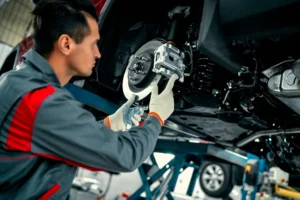
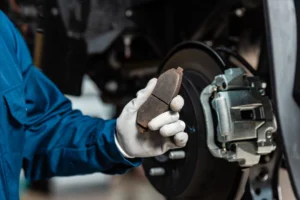
1. The Brake System (Constant Wear)
This is the most obvious victim. Every time you accelerate, you eventually have to slam on the brakes for another traffic light or backup.
- Problem: Constant braking generates excessive heat, rapidly accelerating the wear on brake pads and rotors. This heat can even warp rotors, leading to a dangerous pulsing or shaking when you apply the brakes.
- Solution: Your brake fluid absorbs moisture over time, and stop-and-go traffic speeds up its degradation. We recommend more frequent brake inspections and brake fluid flushes than the standard factory schedule to maintain maximum stopping power.
2. The Engine Oil and Filters (Contamination and Breakdown)
Extended idling—common in Bridgewater traffic backups—is terrible for your engine oil.
- Problem: When you idle, your engine runs but rarely reaches its optimal operating temperature. This prevents contaminants (like water vapor and unburned fuel) from boiling off. These contaminants build up in the oil, dramatically reducing its lubricating effectiveness.
- Solution: You should follow the “Severe Driving” maintenance schedule in your owner’s manual, which often means changing your oil and filter more frequently—every 3,000 to 5,000 miles, rather than the 7,500 to 10,000 miles suggested for highway cruising.
3. The Transmission (Overheating and Friction)
Automatic transmissions suffer from the constant, low-speed cycling between first and second gear, common in traffic jams.
- Problem: This frequent shifting increases friction and rapidly heats up the transmission fluid. High heat is the number one killer of automatic transmissions because it causes the fluid to break down and lose its ability to lubricate and cool the internal clutch packs.
- Solution: If you drive in heavy traffic daily, you should consider transmission fluid service/flush much sooner than the factory schedule (often closer to every 30,000 to 40,000 miles). This is a vital preventative measure against costly transmission repair.
4. Suspension Components (The Pothole Factor)
Boston’s unique combination of heavy traffic and winter’s freeze-thaw cycles leads to atrocious potholes, especially on busy commuter routes.
- Problem: The stop-and-go driving causes constant, heavy weight transfer (forward during braking, backward during acceleration). When you suddenly hit a hidden pothole in Easton while braking, this added stress shocks your shocks, struts, control arms, and tire alignment.
- Solution: Annual suspension inspections and wheel alignments are critical. We can spot damaged tie rods or worn bushings before they lead to premature, expensive tire wear or an unsafe driving condition.
❓ Traffic & Car Health FAQs
| Question | Expert Answer from Your Local MA Mechanic |
| Does idling damage my engine? | Excessive idling causes increased fuel residue build-up on engine components. While brief idling is fine, sitting for 15+ minutes regularly contaminates oil and can shorten the life of components like spark plugs. |
| How can I save fuel in stop-and-go traffic? | Practice “gentle acceleration.” Avoid quick stops and fast starts. Maintain a consistent following distance so you can coast more often, minimizing the need to slam the brakes and use extra fuel to accelerate again. |
| My A/C struggles in traffic. Why? | At low speeds, your cooling system relies heavily on the electric cooling fan to pull air over the condenser and radiator. If the fan or the cooling system is weak, the lack of natural airflow in traffic can cause both the engine and the A/C to struggle. |
| How often should I change my fluids for city driving? | We recommend moving to the manufacturer’s Severe Service Schedule. This usually means half the time or mileage for services like oil changes and checks on brake and transmission fluid condition. |
This is an incredibly relevant and smart topic. Boston’s traffic is legendary for its congestion, which places immense stress on vehicles. Targeting this issue will resonate deeply with your local audience in North Easton, Brockton, and Bridgewater.
Ready to Fight Back Against the Gridlock?
Don’t let the Boston area traffic secretly ruin your car. Your daily commute is demanding, and your vehicle needs a maintenance schedule that reflects reality, not ideal highway conditions.
Visit our shop near North Easton for a comprehensive preventative inspection. We’ll assess the hidden toll that stop-and-go driving has taken on your brakes, fluids, and suspension, and provide you with a clear plan to keep your car running reliably.
📞 Take control of your commute. Call Boston Auto Repair or book your appointment online today!