Buying a used car can feel like a mix of excitement and anxiety. On one hand, you may make a great investment compared to buying new. On the other, there’s always that nagging question: Is this a good deal—or am I taking over someone else’s headache?
Here is the hard truth from someone who has been selling used cars, not all used cars are created equal. Some have been loved and cared for like a family member, while others may hide a history of accidents or neglect. That’s why knowing the right questions to ask before signing the papers will be a crucial part.
If you’re preparing to buy a used car—whether from a dealership or a private seller—here are the three questions we recommend to always ask beforehand that can be a deciding factor for your investment and keeps you stress-free in the coming days.
1. “Can I See the Vehicle History Report?”
This is for sure the number-one question you should be asking before considering the option as a top choice. A vehicle history report (from services like AutoCheck or Carfax) can tell you important details about the car’s past, including:
- Accident history or major repairs
- Number of previous owners
- Title status (clean, salvage, rebuilt, etc.)
- Odometer readings
- Service records, when available
A car with a clean title and consistent maintenance is a safer bet than one with frequent repairs or a major collision in its past. It would be better if it gets a good score for the majority of the used car checklist. Skipping this step is like buying a house without checking for flood damage—you’re taking a risk that could cost you time and money later.
2. “Has the Car Been Inspected or Certified?”
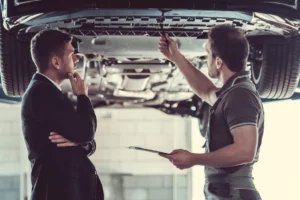
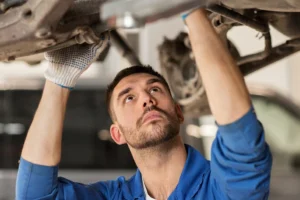
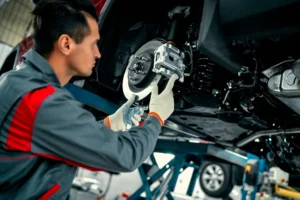
Don’t let yourself be tricked with what can be seen on the outside. Even if a car is perfect and has a shiny body, it’s what’s underneath that matters most. Asking if the car has undergone a mechanical inspection or certification can help you understand its true condition.
- For Purchasing from a Dealership: A lot of dealerships include offers for certified pre-owned (CPO) vehicles that pass rigorous inspections and often come with warranties.
- For Purchasing from a private seller: If you’re buying from a private seller, you may request that a trusted independent mechanic inspect the vehicle before you commit. You can even request to get a general checkup from the official dealer of the car. If the seller refuses, this would be a clear warning for you.
This step not only gives you confidence but also provides leverage during negotiations if issues are found.
Think of it this way: a car is one of the biggest purchases you’ll make, maybe only second to a home. Spending a little extra on an inspection is well worth avoiding thousands in unexpected repairs, especially since car repairs don’t come cheap.
3. “What’s the Maintenance and Ownership History?”
A car without any accidental or a major service doesn’t mean it is guaranteed to be in a good condition. Don’t just focus on the accidental history—ask about how it’s been maintained. A well-kept car can outlast one that’s been ignored, even if they have the same year and mileage.
Key things to ask include:
- Are there service records (oil changes, brake replacements, tire rotations)?
- Has the car had any major repairs like transmission or timing belt replacement?
- Were repairs done at a professional service center or DIY at home?
Bonus tip: also ask about the reason for selling. While sellers might not always give you the full story, it can provide clues. For example, if someone is upgrading to a larger family vehicle, that’s different from offloading a car that’s become unreliable.
✅ Final Thoughts
Buying a used car doesn’t have to feel like a gamble. By asking these three essential questions—about the vehicle history report, inspection or certification, and maintenance history—you’ll be better equipped to make a smart, informed investment.
While it’s tempting to focus on price or appearance, the real value lies in a car’s history and condition. Do your homework, ask the right questions, and you’ll drive away with confidence instead of buyer’s remorse.