You brought your car in for what used to be a routine fix. The bill came back higher than you remembered, and you’re not imagining it. The average auto repair bill in the U.S. has climbed past $800, and drivers everywhere are asking the same question: what changed?
The honest answer is that three things changed at once, and none of them are going away soon.
Your Car Got a Lot Smarter, and Smarter Costs More
A modern vehicle isn’t really a machine with an engine bolted to some wheels anymore. It’s closer to a computer that happens to drive. Somewhere between 50 and 150 electronic control units are running everything from your headlights to your braking system, depending on the model. That’s great for safety. It’s also why a “check engine” light that used to mean a quick look under the hood now often means specialized diagnostic equipment and a technician trained to read it.
Take something as simple as a windshield replacement. On an older car, that’s a straightforward job. On a newer one with a forward-facing camera built into the glass, that same job now includes a sensor calibration, and the cost can run $1,200 instead of $300. It’s not the glass that changed. It’s what’s attached to it.
Parts Cost More to Make and Ship
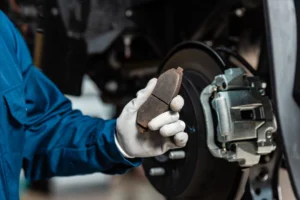
Tariffs on imported auto parts have pushed prices up across the board, and that’s on top of supply chain issues that are never fully resolved. Even boring, everyday parts such as brake pads, alternators, and sensors carry higher price tags than they did a couple of years ago. Shops aren’t padding those numbers. They’re passing through what they’re paying their suppliers.
There Aren’t Enough Technicians
The industry has a real staffing problem. Fewer people are entering the trade, and the ones who do need training just to keep up with how complicated vehicles have gotten. That drives labor rates up — not because shops are trying to squeeze more out of you, but because a qualified technician who can actually diagnose a modern car is harder to find and worth paying for.
Put those three things together: smarter cars, pricier parts, scarcer labor, and you get repair bills that don’t look like they did five years ago. That’s not a temporary blip. It’s the new normal.
What This Means for You
The instinct when a repair estimate comes in high is to put it off. Sometimes that’s fine. Sometimes it turns a $200 fix into a $2,000 one, because the part that failed took something else down with it. The real question isn’t “can I avoid this bill,” it’s “do I actually understand what I’m being asked to pay for and why.”
That’s where the shop you choose matters more than it used to. A good one will walk you through the estimate line by line, like what’s parts, what’s labor, what’s calibration or diagnostic time, instead of handing you a total and moving on. Ask for that breakdown. You’re entitled to it, and it’s the fastest way to tell a fair estimate from an inflated one.
It also helps to stop treating your mechanic like a stranger. A shop that knows your car’s history can catch small problems before they become expensive ones, and they’re a lot more likely to give it to you straight when something can wait versus when it can’t.
FAQ
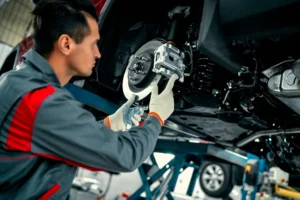
Why does something as small as a brake job cost more now?
Modern brake systems often include sensors and electronic components that older systems didn’t have, which adds parts and labor cost even for routine work.
Is it ever worth fixing an older car instead of replacing it?
Often, yes. Especially with new car prices where they are. It comes down to the specific repair cost versus what the car is worth and how much life it likely has left. A trustworthy shop should be willing to have that conversation honestly instead of just pushing the sale either way.
Are these price increases likely to reverse?
Not in the near term. Tariffs, the technician shortage, and vehicle complexity are structural changes, not temporary spikes.
If a recent estimate left you with more questions than answers, that’s a conversation worth having.Boston Auto Group in North Easton is glad to walk through it with you, no pressure attached.