A light pops up on your dashboard. This feeling would usually cause an uneasy feeling your whole trip. Is this a “finish the drive home and deal with it later” situation, or a “get off the road immediately” one? For most drivers, the honest answer is: no idea. And that guesswork is exactly how a minor issue turns into a wrecked engine, or how someone white-knuckles it to a shop over a light that just meant the gas cap was loose.
In this blog, let’s make things clear. Not every warning light means the same thing, and knowing the difference is genuinely useful. Here’s how to read them, sorted by how much they should worry you.
The Colors Meaning in General
Before we get into specific lights, know this one rule of thumb. Dashboard lights follow a rough traffic-light logic.
Green or blue usually just means a system is on and working, like your headlights or cruise control. Nothing to worry about. Yellow or amber means something needs attention soon, but you’re generally not in immediate danger. Red means stop, this is serious, deal with it right now. It’s not a perfect system, but it’s a solid instinct to start with. A red light is a non debatable sign.
Stop Now: The Red Lights You Don’t Drive On
Some lights mean pull over as soon as it’s safe, because continuing to drive can cause real damage or put you at risk.
The oil pressure light, usually shaped like an old-fashioned oil can, is the big one. If it comes on, your engine may not be getting the oil it needs, and driving on it can destroy the engine in a matter of minutes. This is a pull-over-and-shut-it-off situation, not a “make it to the next exit” one.
The temperature warning, often a thermometer symbol, means your engine is overheating. Keep driving and you risk warping or cracking major engine components, which is among the most expensive repairs there is. Find a safe spot, turn it off, and let it cool.
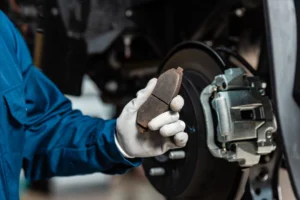
The brake system light, when it’s not just your parking brake being on, can signal a real problem with your ability to stop. That’s not something to gamble with. And the battery or charging light means your car may be running on borrowed time before the electrical system gives out and leaves you stranded.
The theme with all of these: red means the cost of ignoring it is enormous, so don’t.
Soon, Not Now: The Yellow Lights
Then there’s the middle tier. They want attention, but they’re usually not asking you to abandon your car on the shoulder.
The check engine light is the famous one, and it’s also the most misunderstood. It covers an enormous range, from something as trivial as a loose gas cap to something that genuinely needs fixing. A steady check engine light generally means “get this looked at soon,” not “panic.” But here’s the important exception: if it’s flashing, that’s a different message entirely. A blinking check engine light usually means an active problem that can damage your catalytic converter, and that one you should treat as urgent.
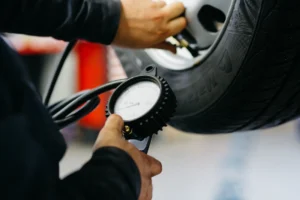
Other yellow lights, like the tire pressure warning, low fuel, or various system lights, are telling you to take care of something in the near future. The tire pressure light, for instance, means check and adjust your tires soon, because low pressure hurts handling, fuel economy, and tire life. Not an emergency, but not something to ignore for a month either.
The One Mistake to Avoid
Here’s the trap people fall into. A light comes on, nothing feels different, so they decide it’s probably nothing and keep driving. If you’re lucky, this may be right. You can also refer to our explanation on the light’s meaning. But “the car still feels fine” is not a reliable way to judge a warning light, because plenty of serious problems, low oil pressure especially, feel completely normal right up until the moment they cause catastrophic, expensive damage.
The light came on for a reason. Even the low-urgency ones are worth getting checked, because the whole point of the system is to warn you before you can feel the problem. By the time you feel it, it’s often too late to be cheap.
What to Actually Do
If a red light comes on, find a safe place to stop and turn the car off. Don’t try to push through. If it’s a yellow light and the car is driving normally, you’re usually fine to continue, but get it diagnosed soon rather than filing it under “later” and forgetting. And if a check engine light is flashing rather than steady, treat that as the urgent end of yellow.
When in doubt, the safest move is simple: have it read. A shop can pull the code behind a check engine light in minutes and tell you whether you’re looking at a loose gas cap or something that actually matters.
FAQ
Is it safe to drive with the check engine light on?
If it’s a steady light and the car is driving normally, you can usually continue and get it checked soon. If the light is flashing, treat it as urgent, since that often signals a problem that can damage your catalytic converter.
What dashboard lights mean I should stop immediately?
Red lights for oil pressure, engine temperature, brake system, and charging are the ones to take most seriously. They can signal problems that cause major damage or safety risks if you keep driving.
Why get a warning light checked if the car feels fine?
Because many serious problems feel normal right until they become expensive. Warning lights are designed to alert you before you can feel the issue, so “it drives fine” isn’t a safe reason to ignore one.
Got a light on and not sure how worse it is? Boston Auto Group in North Easton can read the code and tell you plainly whether it’s a quick fix or something that needs attention now.