This is a very common advice everyone hears every time they consider buying a used car. But in fact, not everyone did it.
Every year, somebody buys a car that seems perfect, drives it home thrilled, and finds out within a month that “perfect” was hiding a few thousand dollars in problems the test drive never revealed. It happens constantly, and it’s almost always avoidable with one step most buyers skip.
That step is a pre-purchase inspection. It costs somewhere around $100 to $150, takes about an hour, and it’s genuinely one of the best-value decisions you can make before handing someone your money for a used car.
What a Test Drive Actually Tells You & Why Inspection is Still Essential
A fifteen minute test drive around the block tells you whether a car starts, shifts, and doesn’t make an alarming noise on that particular route. That’s about it. It doesn’t tell you the brake pads are down to their last few millimeters. It doesn’t show you the slow transmission fluid leak that only becomes obvious once it’s been sitting for a day. It won’t catch a suspension component that’s fine at 25 miles an hour but rattles at highway speed.
A vehicle history report helps too, but it has its own blind spot. It’ll show you accidents and title issues if they were reported. It has nothing to say about the actual mechanical condition of the car sitting in front of you right now, today, with however many miles have gone on it since its last documented service.
Between the two, you get a decent picture of the car’s past and basically nothing about its present. That’s the gap a pre-purchase inspection fills.
What Actually Gets Checked
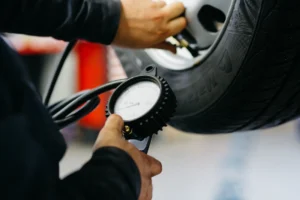
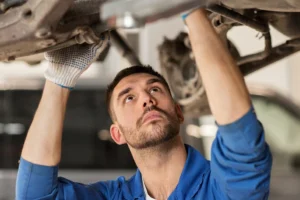
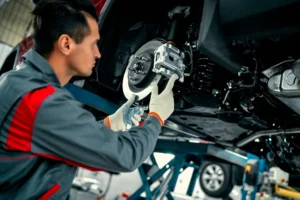
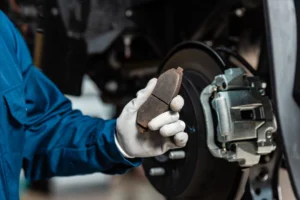
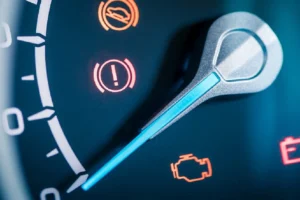
A real inspection goes well past a glance under the hood. A technician puts the car on a lift and looks at the brakes, suspension, and undercarriage, the parts you’d never see standing in a driveway. They check for fluid leaks, test the battery, look over belts and hoses for wear, and scan the computer for any stored codes, including ones that were cleared right before the car went up for sale, which happens more than people realize. They’ll also check tire wear patterns, which can quietly reveal an alignment problem the seller either doesn’t know about or didn’t mention.
What you get afterward is an actual list. Not a vague impression, a specific rundown of what’s solid, what’s wearing down, and what needs attention soon. That’s the kind of information that turns a purchase decision from a guess into an informed choice.
What It’s Actually Worth
Do the math on this one. A $150 inspection against a car that turns out to need $2,500 in brake, suspension, and cooling system work almost immediately after purchase is not a close call. And even when the news is good, the inspection still did its job, because now you’re buying with confidence instead of crossed fingers.
There’s a negotiating angle here too. If the inspection does turn something up, a worn component, a fluid leak, anything real, that’s leverage. You can ask the seller to fix it, knock the cost off the price, or walk away entirely, all before you’ve committed a dollar. Buyers who skip the inspection give up that leverage completely, because by the time they find the problem, they already own it.
This is not even the most important thing. Your safety is the most important thing during buying a used car. It should be able to take you to your destinations safely. This is the crucial reason why inspections are worth the money.
When to Skip This Step (You Don’t, Really)
There’s really only one situation where people talk themselves out of an inspection: when the car is being sold by someone they trust, a friend, a family member, someone who swears it’s been well maintained. Even then, it’s worth doing. Trust isn’t the issue. Even an honest seller who genuinely believes their car is in good shape can be wrong about something a lift and a trained eye would catch immediately. It’s not about doubting them. It’s about actually knowing, instead of assuming.
FAQ
How much does a pre-purchase inspection typically cost?
Usually somewhere in the $100 to $150 range, depending on the vehicle and shop. It’s a small cost relative to what it can save you if it catches a real problem.
Can I use a pre-purchase inspection to negotiate the price?
Yes. If the inspection finds an issue, you can use it to ask for a price reduction, request the seller fix it before the sale, or decide to walk away, all before you’ve bought the car.
Is a vehicle history report enough on its own?
No. A history report covers documented accidents and title issues, but it says nothing about the car’s actual current mechanical condition. An inspection is what tells you how the car is doing right now.
Found a used car you’re serious about? Boston Auto Group in North Easton can give it a proper pre-purchase inspection so you know exactly what you’re buying before you buy it.