The mornings are about to start getting crisp. You know how it goes around here. One week you’re running the AC, and the next you’re scraping a light frost off the windshield before work, wondering when that happened.
New England doesn’t ease into fall. It flips a switch. And the stretch between the last warm day and the first real cold snap is the window where a lot of car problems quietly show up, because summer heat does damage that doesn’t announce itself until the temperature drops. Getting ahead of it now, in the calm before the season turns, is a whole lot better than finding out the hard way in a parking lot in November.
Here’s what actually matters heading into a New England fall.
Your Battery Took a Beating This Summer
This surprises people every year. Cold weather gets blamed for dead batteries, but it’s usually the summer heat that did the real damage. High temperatures wear a battery down internally over months, and then the first cold morning, when the battery has to work hardest to turn the engine over, is when it finally gives out.
So the failure happens in the cold, but the cause was the heat. If your battery is three years or older, this is the time to get it tested, before it strands you. While you’re at it, a quick look at the terminals for corrosion takes a minute and can save you a headache.
Tires: Two Things Are Changing at Once
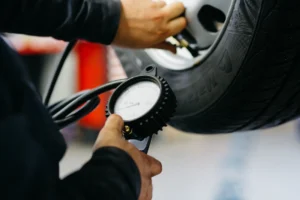
Fall does something sneaky to your tires. As the temperature drops, so does your tire pressure, roughly a pound per square inch for every ten degrees. So the pressure that was perfect in August is quietly going low by October, and low pressure means worse handling and longer stopping distances right as the roads start getting slick with wet leaves and early frost.
Check your pressure now and keep an eye on it as the season cools. And look at your tread while you’re down there. New England winter is not the place to be running on worn tires, and fall is your last comfortable chance to deal with it before you actually need the grip.
The Systems You Haven’t Used Since Spring
Here’s an easy one to forget. When was the last time you ran your heater? Or your defroster? If the answer is “sometime last winter,” you want to find out they work now, on a mild day, not on the first freezing morning when your windshield fogs up and you’re already running late.
Test the heat. Test the front and rear defrosters. If the heat’s weak or the defroster is slow, that’s a coolant system or blower issue worth sorting out before you’re depending on it every single morning.
Wipers and Washer Fluid Earn Their Keep in Fall
Summer sun dries wiper blades out and makes them brittle. Then fall arrives with rain, wet leaves, and the low glare of a sun that sits closer to the horizon, and suddenly you need those blades to actually clear the glass. If yours are streaking or skipping, replace them now.
Top off the washer fluid too, and think about switching to one rated for colder temperatures as winter gets closer. Between road grime and the first slushy days, you’ll go through more than you expect.
Don’t Forget What’s Underneath
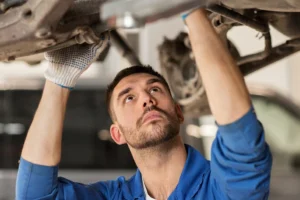
One last thing that’s easy to ignore until it’s a problem. Fall is when the wet weather starts, and before long, the road salt. Both are hard on the underside of your car. If you’ve got any existing rust starting on the frame, exhaust, or suspension, it’s worth having it looked at now, because salt season will only accelerate it. Catching it early is a lot cheaper than dealing with what it becomes after a full winter of neglect.
The Quick List
If you want the short version to hit before the weather turns:
- Battery tested if it’s 3+ years old
- Tire pressure set and tread checked
- Heater and both defrosters confirmed working
- Wipers replaced if worn, washer fluid topped off
- A look underneath for early rust before salt season
None of it takes long, and all of it beats the alternative of dealing with it once it’s cold, dark, and inconvenient.
FAQ
Why does my battery die in winter if the damage happens in summer?
Heat wears the battery down internally over the summer, but the failure shows up in cold weather because that’s when the battery has to work hardest to start the engine. Testing it in fall catches a weak one before it strands you.
How often should I check tire pressure in the fall?
Monthly, and especially after any big temperature drop. Pressure falls about one PSI for every ten degrees cooler, so it drifts low as the season cools without you doing anything.
Is fall really the right time to prep for winter?
Yes. Fall is the transition window where summer’s damage surfaces and winter’s demands are about to begin. Handling it on a mild day is far easier than discovering a problem on the first freezing morning.
Want your car checked over before the New England cold sets in? Boston Auto Group in North Easton can run through the essentials and make sure nothing catches you off guard this season.