When it comes to car services, drivers would most likely agree that brake repairs seem much simpler than other types of car maintenance. This stigma might come from the few components included in a small piece like the brakes. But why is that the case—especially with today’s modern vehicles packed full of technology and advanced systems?
To understand this better, let’s break it down and understand why brake repairs are often viewed as one of the more approachable and straightforward car services.
🚗 Brakes Are a “Wear-and-Tear” Item
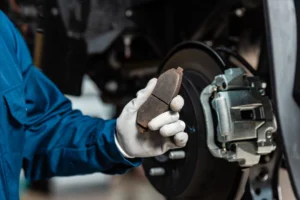
Unlike complex repairs involving the electrical systems, engine, or transmission, brake maintenance is more predictable and easy to feel when wear out. Brakes naturally wear down with mileage, and their main components—brake pads and rotors—are easily predicted periodically.
- Brake pads typically last 30,000–70,000 miles, but also depending on driving habits.
- Rotors may last longer but can eventually need resurfacing or replacement.
- Clear symptoms such as grinding, squeaking, or longer stopping distances are noticeable and you can get a clear warning.
Because the wear is expected and gradual, brake repairs feel more straightforward compared to sudden or hidden issues like a failing transmission or alternator. In this sense, brake service costs are more predictable for your personal finance.
🛠️ Straightforward Design and Accessibility
While modern cars have grown more advanced with technology, the basic braking system hasn’t changed dramatically in decades. This is due to the simple reason brakings are just for stopping the car. There are some advanced technologies these days such as ABS sensors and electronic components, but the foundation—pads pressing against rotors to slow the vehicle—remains the same.
Experts would even agree on the simplicity brakes services are compared to other repairs, because brakes are:
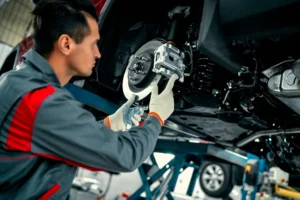
- Accessible: Mechanics don’t have to disassemble the dashboard or remove the engine. The braking system is easily reached behind the wheels.
- Modular: Spareparts like calipers, pads, and rotors can often be replaced individually without needing to overhaul the entire system.
- Standardized: Whether you drive a compact sedan or a large SUV, the replacement process is fairly consistent.
This accessibility makes the repair process easier for professionals—and even approachable for DIY brake replacement.
💸 Predictable Costs and Time
Another reason brake repairs feel simpler? The cost and time are easier to estimate.
- A basic brake pad replacement can often be done in a couple of hours, or even minutes.
- Costs are more transparent and negotiable since most of the expense comes from standardized parts and labors.
- Unlike electrical issues or engine diagnostics, there’s less test work involved since it is a clear solution for replacements.
This predictability helps drivers feel more in control of their maintenance schedule and budget.
⚠️ But Don’t Be Fooled—They’re Still Critical
While brake repairs seem simpler, and it may be true, that doesn’t decrease its importance. In fact, your brakes are your car’s most vital safety system. Skipping or delaying maintenance can put you and others on a very high risk.
Even though pads and rotors are relatively easy to replace, issues like:
- Leaking brake lines,
- ABS sensor failures
- Sticking calipers
can complicate repairs and require professional mechanics to handle.
So while brake work may look “simple,” it still deserves the same attention as any other car service.
✅ Final Thoughts
Brake repairs seem simpler than other car repairs because they’re predictable, straightforward, and more standardized across different vehicles. Unlike complex engine or transmission issues, brakes wear out gradually, are easier to access, which could usually lower labor cost.
But simple doesn’t mean unimportant—brakes are your first line of defense on the road. Whether you’re a DIYer or prefer to leave it to the pros, regular brake maintenance is one of the smartest and safest things you can do for your car.