With new car prices sitting well above where they used to be, more drivers are asking a different question than they used to. It’s not “when should I trade this in,” it’s “how long can I realistically keep this running.” And the answer, for most vehicles, is a lot longer than people assume.
Getting a car to 200,000 miles isn’t about luck or buying the right brand and hoping for the best. You might hear some rumors about which brand has the best durability or guarantee. This might be true, but the most crucial factor comes down to a handful of habits, most of which are more about consistency than cost.
Follow the Actual Schedule, Not the “Rule of Thumb”
Everyone’s heard the old advice about changing your oil every 3,000 miles. For a lot of modern engines, that’s outdated. Your owner’s manual has the real interval for your specific car, and it might be anywhere from 5,000 to 10,000 miles depending on the engine and oil type. Going by the manual, not a habit you picked up from a previous car, is the single most reliable thing you can do for engine longevity.
If your car sees a lot of short trips, stop and go traffic, or you’re just putting a lot of years on it, ask your mechanic whether the “severe duty” version of that schedule makes more sense. Older engines often benefit from more frequent service than the standard interval assumes.
Don’t Let Fluids Become an Afterthought
Oil gets most of the attention, but coolant, transmission fluid, and brake fluid all break down over time too, and skipping them is one of the quieter ways people shorten a car’s life. Low or dirty coolant is a common cause of overheating damage that’s expensive to fix and completely avoidable. The same goes for transmission fluid: by the time you notice a problem, you’re usually looking at a much bigger repair than a routine flush would have cost.
Take Tires and Alignment Seriously
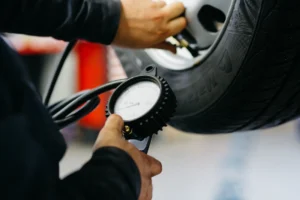
Tires wear unevenly when a car is out of alignment, and that uneven wear puts extra stress on suspension components that are far more expensive to replace than tires are. Rotating tires every 5,000 to 8,000 miles and getting an alignment check annually (or any time you notice pulling or uneven wear) protects more than just the tires themselves.
Don’t Wait Out a Warning Light
A check engine light doesn’t always mean something dramatic, but it does mean your car is telling you something specific, and driving on it for weeks or months turns small issues into expensive ones more often than people expect. The same goes for new noises, smells, or handling changes. Catching a problem at the “that’s odd” stage is almost always cheaper than catching it at the “now it’s broken” stage.
Driving Habits Matter More Than People Think
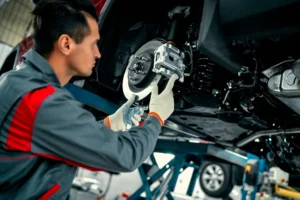
This one surprises people: how you drive has a real, measurable effect on how long your car lasts. Hard acceleration and abrupt braking put extra strain on your engine, transmission, and brakes every single time. Smooth acceleration and gentler braking aren’t just easier on your nerves in traffic, they genuinely extend the life of the parts doing the work.
Build a Relationship With a Shop, Not Just a One-Time Fix
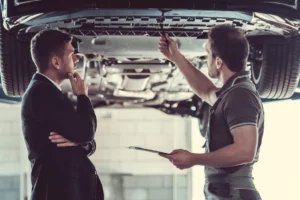
A mechanic who’s worked on your car for years will catch patterns a one-off visit never will, a slow leak, a wear pattern, a part that’s about due before it actually fails. That kind of continuity is one of the most underrated tools for stretching a car’s lifespan, because it shifts you from reactive repairs to actually staying ahead of problems.
FAQ
Is it actually cheaper to keep an old car running than buy a new one?
Usually, yes, especially once the car is paid off. Maintenance and occasional repairs on a well cared for vehicle are typically far less than a new car payment, even as those repairs get somewhat pricier with age. (Do comment if you want us to do the realistic calculation on this).
How do I know if a repair is worth it on an older car?
Compare the repair cost to what the car is worth and how much life it likely has left. A good shop should be willing to have that conversation honestly instead of just pushing whichever option costs more.
Does driving style really make that much of a difference?
Yes. Aggressive acceleration and braking accelerate wear on the engine, transmission, and brakes in ways that add up significantly over tens of thousands of miles.
If your car’s due for a check up, or you just want an honest read on what it needs to keep going strong, Boston Auto Group in North Easton is glad to take a look.