If you’ve caught a headline recently about a new federal push to give drivers more freedom to fix their own cars, you’re not imagining it. In late June, the White House issued a memorandum aimed at making it easier and cheaper to use aftermarket parts, and it’s already got car owners asking their mechanics the same question: does this mean I should be using aftermarket parts more often?
The honest answer is a little more nuanced than the headlines suggest, and it’s worth breaking down what actually changed, what didn’t, and how to think about OEM versus aftermarket parts either way.
What the New Policy Actually Covers
Here’s the part that tends to get lost in translation: this memo is specifically about emissions related parts, things like catalytic converters and oxygen sensors, not auto parts in general. For decades, using aftermarket versions of these components has existed in a legal gray zone because of Clean Air Act rules, and getting a part certified as compliant has gone through a single, slow approval process in California. The memo directs the EPA to speed that up and open the door to other certification paths, with guidance expected within a matter of weeks.
It doesn’t rewrite the Clean Air Act. It doesn’t make every off brand part automatically legal. What it does is start clearing a bottleneck that’s kept prices high and options limited for one specific category of parts.
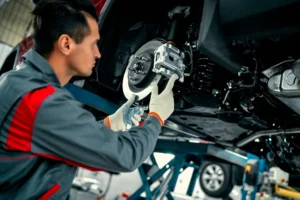
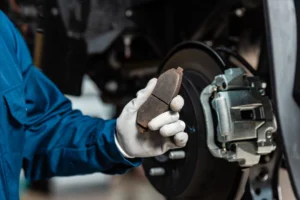
For everything else on your car, brake pads, alternators, mirrors, suspension components, aftermarket parts have always been a completely normal and legal option. That part of the conversation hasn’t changed at all. So if you’re wondering whether this news opens up new choices for your next brake job, the answer is: those choices were already there.
So When Does Aftermarket Actually Make Sense?
This is the question that matters more day to day than any policy memo. The honest answer is that it depends on the part.
For a lot of routine wear items, brake pads, alternators, water pumps, a quality aftermarket part performs just as well as the OEM version and costs noticeably less. Look for parts certified by an independent body like CAPA (Certified Automotive Parts Association), which tests aftermarket parts against OEM specs for fit and performance. That certification is a good shortcut for knowing you’re not buying a bargain bin part that’ll fail in six months.
For other components, especially anything tied to safety systems, sensors, or a manufacturer’s warranty coverage, OEM is usually worth the extra cost. If your car is still under warranty, using certain non OEM parts can complicate a warranty claim down the road, so it’s worth checking before you assume aftermarket is the cheaper win.
Why This Is a Conversation, Not a Rule
The most useful thing a repair shop can do here isn’t push you toward one option across the board. It’s tell you, part by part, where the savings make sense and where they don’t. A trustworthy shop will walk you through both options on a given repair and explain the tradeoff instead of defaulting to whichever one has a better margin.
If your mechanic can’t explain why they’re recommending OEM over aftermarket (or the reverse) for a specific job, that’s worth asking about directly.
FAQ
Will aftermarket parts void my car’s warranty?
Not automatically. Federal law protects your right to use aftermarket parts without voiding your warranty in most cases, but if a specific non OEM part causes damage, the manufacturer can decline to cover that repair. It’s a narrower rule than a lot of people assume.
Are aftermarket parts lower quality than OEM?
Not inherently. Quality varies a lot by manufacturer and part type. Certifications like CAPA exist specifically to separate the reliable aftermarket options from the ones to avoid.
Does this new policy mean aftermarket parts are legal now when they weren’t before?
For emissions related parts specifically, it’s aimed at speeding up a certification process that’s been slow and limited to one state agency. For nearly everything else on your car, aftermarket parts were already a normal, legal option.
Not sure which way to go on your next repair? Boston Auto Group in North Easton is happy to walk you through the OEM versus aftermarket call for your specific vehicle.