The average American spends $11,577 a year to own and drive a car, according to AAA. That’s not the sticker price. That’s the yearly cost of just having the thing in your driveway and using it. This number is in fact surprising.
When you see a number that big, the natural reaction is to feel a little helpless about it. But here’s the fun fact: most of that $11,577 is completely out of your hands. A small slice of it isn’t. And that small slice happens to be the one that decides how big all the other slices get.
Let us break down where the money actually goes, because once you see it laid out, the smart move becomes obvious.
The Big Chunks You Can’t Do Much About
Start with the largest cost, and it’s one most people never think of as a cost at all: depreciation. That’s the value your car quietly loses just by getting older and racking up miles. It’s the single biggest expense of owning a car, and there’s almost nothing you can do about it beyond keeping the car in good shape so it holds a bit more value.
Then there’s insurance, which keeps climbing year after year regardless of how carefully you drive, and is mostly set by factors you don’t control. Add fuel (or electricity, or even hydrogen), which rides up and down with gas prices you have zero say over. And finance charges, if you’re making payments on the car.
Together, those four, depreciation, insurance, energy, and financing, make up the large majority of that $11,577. And you’re basically a passenger on all of them. You can shop around a little, but you can’t really move the needle.
The Small Chunk That Controls the Rest
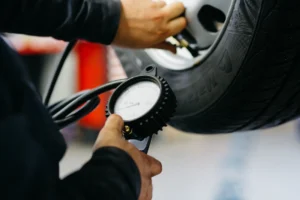
Now moving on to the variable costs. Maintenance and repairs are one of the smaller pieces of the total. And it’s the one piece you have real, direct control over.
That matters more than it sounds, because maintenance isn’t just a cost. It’s the lever that keeps the other costs from getting worse. Skip your oil changes and neglect the basics, and you don’t save money. You trade a small, controllable expense for a big, uncontrollable one down the road, a blown engine, a failed transmission, a car that dies years before it should.
Stay on top of maintenance and the opposite happens. Your car lasts longer, which spreads that giant depreciation cost over more years. It runs more efficiently, which helps your fuel number. It breaks down less, which means fewer of those ambush repair bills that wreck a month’s budget. The cheapest slice of the pie is the one that protects every other slice.
Why This Changes How You Should Think About a Repair Bill
When your mechanic tells you something needs doing, it’s easy to see it as just another expense piling onto an already expensive year. Reframe it. That maintenance is the part of your car budget that actually pays you back.
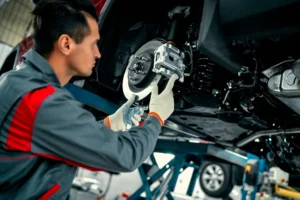
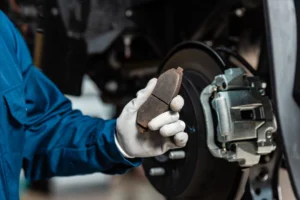
A $70 oil change isn’t $70 gone. It’s cheap insurance against a repair that costs a hundred times more. A brake job done on time isn’t just a bill, it’s the thing standing between you and rotor damage that turns a moderate cost into a serious one. The drivers who spend the least over the life of a car aren’t the ones who skip maintenance to save money. They’re the ones who keep up with it so the expensive failures never happen.
What to Actually Do With This
You can’t control depreciation. You can’t really control insurance or fuel. So stop losing sleep over the parts of that $11,577 you can’t touch, and put your attention on the part you can.
Know your car’s maintenance schedule and stick to it. Handle small problems while they’re still small. And build a relationship with a shop that will tell you honestly what needs doing now versus what can wait, so you’re spending on the right things at the right time instead of reacting to emergencies. That’s the whole strategy. Control the controllable, and let it protect everything else.
FAQ
What’s the biggest cost of owning a car?
Depreciation, the value your car loses over time, is usually the single largest expense, bigger than fuel, insurance, or maintenance. It’s also one of the hardest to control, though keeping your car well maintained helps it hold value.
Is maintenance really a small part of the total cost?
Yes. Compared to depreciation, insurance, and fuel, routine maintenance is one of the smaller slices. But it’s the slice that most directly affects how large the others become over the life of the car.
How does maintenance save me money if the car still depreciates?
A well maintained car lasts longer, so its depreciation is spread over more years of use. It also runs more efficiently and suffers fewer major breakdowns, which keeps your fuel and repair costs down.
Want to make sure you’re spending on the right things at the right time? Boston Auto Group in North Easton will give you an honest read on what your car actually needs, so the one cost you control keeps the rest in check.