Almost everyone has a story. The quick oil change that somehow turned into a $900 list of “urgent” repairs. The mechanic who couldn’t quite explain what he’d done but was very sure you owed him for it. The estimate that doubled between the phone call and the pickup.
That kind of experience sticks with people. It’s why so many drivers walk into a repair shop already braced to be taken advantage of. With the common cases that often happen, the wariness is fair. There are shops out there that count on you not knowing enough to push back.
So let’s fix that. In this blog, we will give some insights on how to spot these red flags and avoid these costly repairs. Here’s how to spot the warning signs, and what an honest shop does differently.
Red Flag: They Can’t Explain It in Plain English
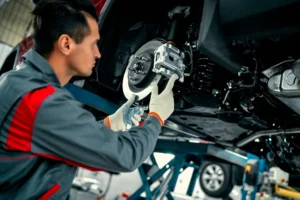
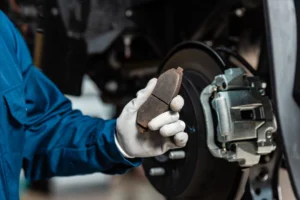
A good mechanic can tell you what’s wrong in a way you actually understand. Your brake pads are worn to the metal. Your serpentine belt is cracked and about to snap. Simple, concrete, checkable. If visible, while the conversation goes on it would be ideal for the mechanic to show you directly by pointing to the part they are referring to.
Be careful with the opposite. If someone hits you with a wall of jargon and gets vague or irritated the moment you ask a follow up question, that’s a problem. Sometimes it means they don’t really know. Sometimes it means they’re hoping you’ll just nod and pay. Either way, you deserve a real answer. A shop that respects you will slow down and explain, not make you feel dumb for asking.
Red Flag: No Itemized Estimate
This is the big one. Before any work happens, you should get an estimate that breaks down parts and labor separately, line by line. Not a single number scrawled on a sticky note. An actual breakdown.
Why does it matter so much? Because a lump sum hides everything. You can’t tell if you’re paying a fair labor rate. You can’t tell if they’re charging you for OEM parts and installing cheaper ones. The parts would look exactly the same and seem like a “perfect match” the first time you see it. You can’t compare it to another shop. An itemized estimate is your single best tool for knowing what you’re actually paying for, and a trustworthy shop hands one over without you having to ask twice.
Red Flag: Sudden “Emergencies” That Weren’t There Before
You came in for a routine oil change. You’re leaving with a list of five things that all apparently need doing right now or your car will explode.
Slow down. Some of those might be real. Cars do need maintenance, and a good shop should tell you about a worn part they spotted. But high pressure tactics are a classic move. If everything is suddenly an emergency, and there’s a hard push to authorize it all today, that urgency is worth questioning. Ask which repairs genuinely can’t wait and which ones can. An honest shop will tell you straight. A dishonest one will insist it’s all critical.
Red Flag: They Won’t Show You the Old Part
Ask to see the part they replaced. It’s a completely reasonable request, and a fair shop has no problem with it. They’ll show you the worn brake pad or the cracked hose and explain why it needed to go.
If a shop gets weird about this, refuses, or claims they already tossed it, take note. It doesn’t automatically mean they’re lying. But an honest shop expects this question and welcomes it, because seeing the failed part is one of the most reassuring things a customer can do.
Red Flag: Pressure to Decide Immediately
You should never feel trapped into authorizing a repair on the spot. If a shop won’t let you take the estimate home, get a second opinion, or sleep on a big decision, that’s a control move, and control moves are rarely in your favor.
Real talk: for a genuine safety issue, like brakes that are truly gone, a good mechanic will be honest that driving on it is dangerous. That’s not pressure. That’s them looking out for you. The difference is whether they’re informing you or cornering you.
What an Honest Shop Actually Looks Like
Enough about the bad ones. Here’s the flip side, so you know what you’re looking for.
An honest shop explains problems in words you understand and welcomes your questions instead of getting defensive. It gives you an itemized estimate before touching your car, and it calls you before doing any work beyond what you approved. It shows you the old parts, distinguishes clearly between “fix this now” and “keep an eye on this,” and it lets you make your own decision on your own timeline. Over time, it gets to know your car, so it can catch small problems before they become the kind of expensive surprise nobody wants.
That last part is worth sitting with. A shop that knows your car’s history has every reason to keep you as a long term customer, which means keeping you happy and your car running. The relationship works in your favor. That’s the whole point of finding a shop you trust instead of chasing the cheapest quote every time something breaks.
FAQ
Can I really ask to see the parts that were replaced?
Yes, and you should. It’s a normal, reasonable request. A trustworthy shop will show you without hesitation and explain why the part needed replacing.
What should a proper repair estimate include?
Parts and labor listed separately, itemized line by line, given to you before any work starts. If you only get a single lump sum with no breakdown, ask for the details.
Is it rude to get a second opinion?
Not at all. For any major or expensive repair, a second opinion is smart, not insulting. A confident, honest shop won’t be bothered by it, because they know their diagnosis holds up.
Straight answers, itemized estimates, no pressure. That’s how it should work. If you’ve been burned before and want a shop that treats you like a person instead of a payday,Boston Auto Group in North Easton is happy to earn your trust.