School starts in a few weeks, and your car is about to work a lot harder than it did all summer, since it’s coming back to your usual schedule.
Think about what changes. You go from the occasional beach run to twice a day in stop and go traffic. School zones mean sudden stops when a kid darts across the crosswalk or a bus throws its lights on. Your brakes, which coasted through July, are suddenly the most important part of your car.
Something most car owners are not warned enough: summer is rough on brakes. Heat and road dust wear down pads and rotors faster than people expect, so the brakes that felt fine in June might not be as sharp as you think come September. And you usually can’t tell until you really need them.
Start With the Brakes, Because They Matter Most Right Now
If you only check one thing before the school run starts, make it this.
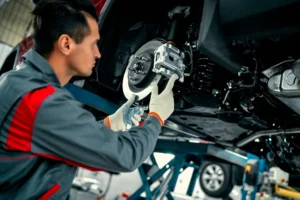
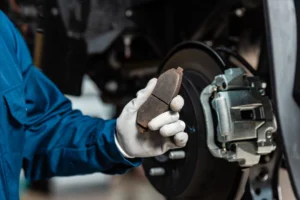
Brake pads wear down gradually, so the change is easy to miss from behind the wheel. A squeal when you slow down is your first warning. A grinding sound means you’ve already worn through the pad and you’re into the rotor, which turns a cheap fix into an expensive one. If your car pulls to one side when you brake, or the pedal feels soft or spongy under your foot, that’s worth getting looked at before the first day of school, not after. To be honest, when it is felt in your pedal, it might already be a mild to high warning.
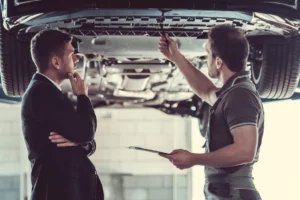
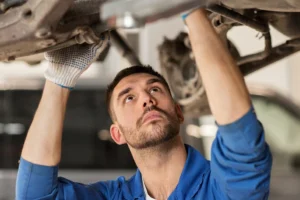
A technician can measure exactly how much pad you have left. Once you’re down below a few millimeters, it’s time. Better to find that out in a quiet shop than at a crosswalk with a kid stepping off the curb.
Tires Do Half the Stopping
People forget that brakes and tires work together. You can have perfect brakes and still slide if your tread is gone.
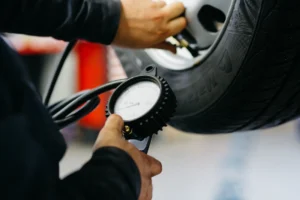
Check two things. First, tread depth. The old trick still works: stick a penny into the groove with Lincoln’s head pointing down, and if you can see the top of his head, your tread is too low. Second, pressure. Summer heat throws tire pressure off, and as the mornings cool down heading into fall, it drops again. Underinflated tires handle worse and stop longer, which is the opposite of what you want in a school zone.
Can You Actually See?
A lot of school driving happens in low light. Early drop-offs in the dark of a New England fall morning. Pickups that run late into dusk once the days get shorter.
So check your lights. All of them. Headlights, brake lights, turn signals, and the little ones you never think about until one’s out. Walk around the car while someone taps the brake pedal and works the blinkers. It takes two minutes.
Then look at your wipers and washer fluid. If your blades are streaking or skipping, replace them now, because the first hard rain of the school year is not the moment to discover they’re shot. Top off the washer fluid too. Between morning dew, road grime, and the occasional bird, you’ll use more of it than you’d guess.
The Quick Version
Short on time before the chaos of the first week? Hit these:
- Brakes: any squealing, grinding, pulling, or a soft pedal means get it checked
- Tires: tread depth with the penny test, pressure set correctly
- Lights: every bulb working, front and back
- Wipers: replaced if they streak, washer fluid topped off
None of it takes long. And catching a worn brake pad in August is a whole lot cheaper, and safer, than finding out about it the hard way in October.
FAQ
How do I know if my brakes need attention before the school year?
Here are some tips from us, the locals in Boston to beginners: Listen and feel. Squealing when you slow down, grinding, a pedal that feels soft, or the car pulling to one side when you brake are all signs. If you’re not sure, a quick brake inspection settles it.
How often should I check my tire pressure heading into fall?
At least once a month, and again whenever the temperature drops noticeably. Pressure falls as the air cools, so what was correct in August won’t be by October.
Is a back-to-school car check really necessary if my car seems fine?
Brake and tire wear happen gradually, so “seems fine” and “is fine” aren’t always the same thing. A short inspection is cheap insurance for the season when your car sees the most stop and go driving and the most unpredictable pedestrians.
Want peace of mind before the school run starts?Boston Auto Group in North Easton can run through your brakes, tires, and lights and make sure your car is ready for the busiest driving season of the year.